
A flood light datasheet can claim 50,000 hours and still be honest — as long as you know where the number came from. The IES TM-21 method only projects lumen maintenance to six times the LM-80 test duration: a 6,000-hour test supports 36,000 hours, not 50,000. Most buyers never ask which test sits behind the claim. These are the criteria that expose it:
1. Key parameters are the hard indicators — focus on these 3 values
• Luminous efficacy & Lumen output: Efficacy of ≥120 lm/W is considered energy‑efficient; the higher the value, the more electricity you save. Choose lumen output based on your needs — over 10,000 lumens for architectural projects, and a few thousand lumens for small‑scale decorative use.
• CRI & Color temperature: A CRI (Ra) of ≥80 ensures true color representation; for advertising or plant lighting, aim for Ra ≥90. Warm white (2700K–3000K) is ideal for gardens and traditional architecture, while neutral/cool white (4000K–5000K) suits modern buildings and commercial spaces.
• IP rating: IP65 is the minimum for outdoor use (dust‑tight and protected against low‑pressure water jets). For harsh environments or underground installation, choose IP66 or IP68 to prevent damage from water and dust.
2. Materials and craftsmanship reveal durability
High‑quality fixtures typically use die‑cast aluminum housing, tempered glass, and waterproof silicone gaskets. These materials offer impact resistance, corrosion resistance, and excellent heat dissipation — a critical factor in LED lifespan. Poor‑quality plastic housings often lead to rapid lumen depreciation and even short circuits.
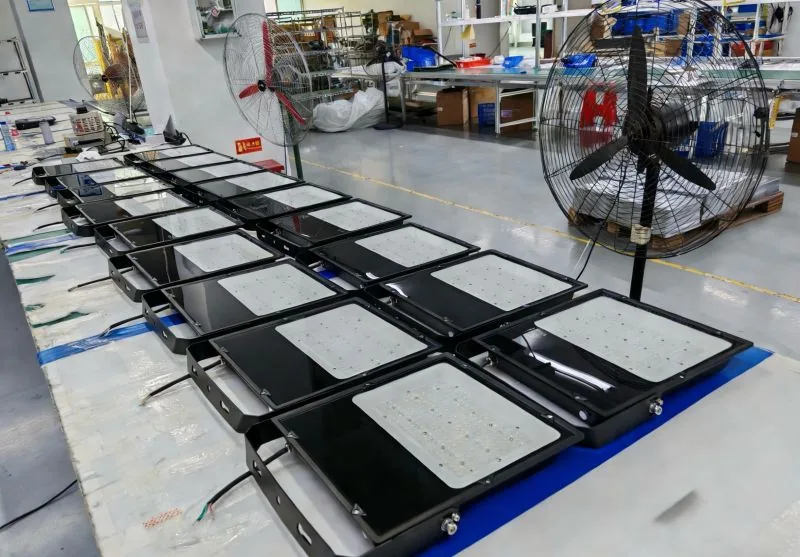
Also check for even paint finish, secure seals, and stable wiring terminals — these are all signs of solid manufacturing.
3. Certifications and warranty are your quality guarantees
• Look for valid certifications: CE certification is essential for electrical safety in many markets.
• Warranty period tells the truth: Reputable brands usually offer 3–5 years of warranty. A warranty of less than 2 years often indicates lower confidence in product longevity.
Final tips to avoid pitfalls
Don’t judge solely by wattage — inflated power claims are common. Also, avoid cheap plastic fixtures. A high‑quality LED flood light can last 30,000+ hours, and the long‑term savings on electricity and maintenance will far outweigh the initial price difference.
Choose the right light, and let it illuminate your space reliably for years to come. What challenges have you faced when selecting LED flood lights? Share your thoughts in the comments!
The six-times rule is the fastest filter you have. Ask for the LM-80 report, note the test duration and the case temperature, then multiply the hours by six. A 6,000-hour test at 55 °C supports a 36,000-hour projection; a claim of 50,000 hours needs either a longer test or a different LED. If the supplier cannot name the case temperature, the lifetime figure is a marketing number.
Which three numbers decide a flood light? Luminous efficacy and lumen output, CRI and colour temperature, and the IP rating. An efficacy of ≥120 lm/W counts as energy-efficient; over 10,000 lumens suits architectural projects and a few thousand is enough for small decorative use; CRI (Ra) ≥80 keeps colour true, and Ra ≥90 is the target for advertising or plant lighting.
Which IP rating do I need outdoors? IP65 is the minimum for outdoor use — dust-tight and protected against low-pressure water jets. For harsh environments or underground installation, step up to IP66 or IP68 to keep water and dust out.
How do I spot a cheap fixture before buying? By the materials and the assembly. Quality fixtures use die-cast aluminium housings, tempered glass and waterproof silicone gaskets; plastic housings often lead to rapid lumen depreciation and even short circuits. Check the paint finish, the seals and the wiring terminals — and do not judge by wattage, because inflated power claims are common.
What warranty should a good flood light carry? Three to five years from a reputable brand. A warranty of less than two years usually signals low confidence in the product's longevity, and a good LED flood light should run 30,000+ hours — long enough for the electricity and maintenance savings to outweigh the price difference.
Our 25-engineer team provides free project consultation and fast, accurate quotations.
Get a Quote