
A split solar street light keeps the panel and the lamp head on separate brackets. The panel can be aimed at the sun, the head stays aimed at the road, and neither one has to compromise for the other. Four models from 60 W to 120 W, 190 lm/W, IP66 die-cast aluminium, and a LiFePO4 pack you can change with the fixture still on the pole.
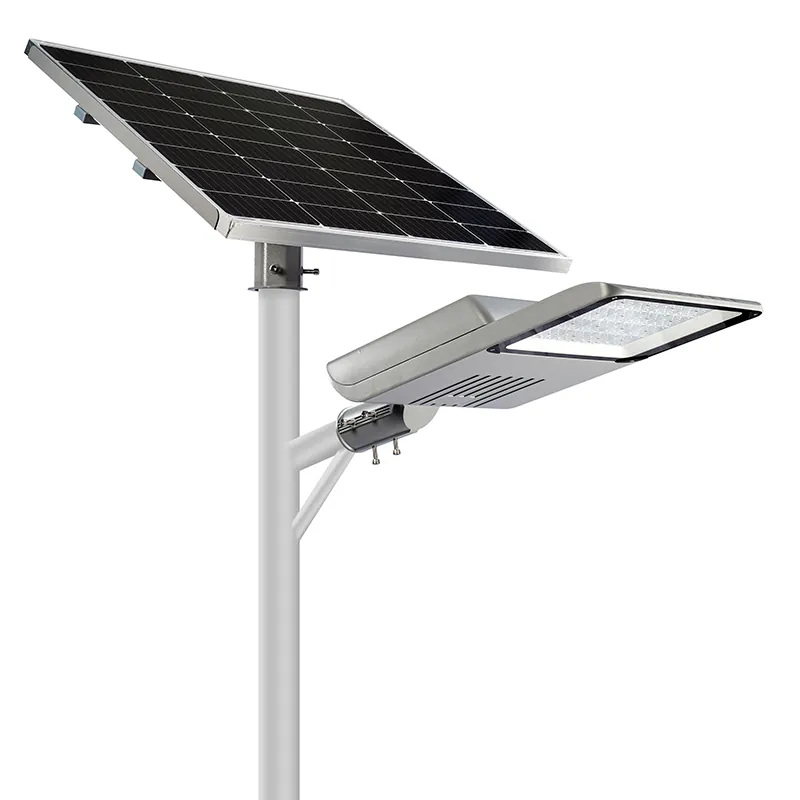
On an all-in-one light the panel sits on top of the head, so whatever angle suits the panel decides where the light ends up. A split fixture separates the two: the panel takes the sun at the angle your latitude asks for, the head hangs square to the carriageway, and the bracket in between carries the load.
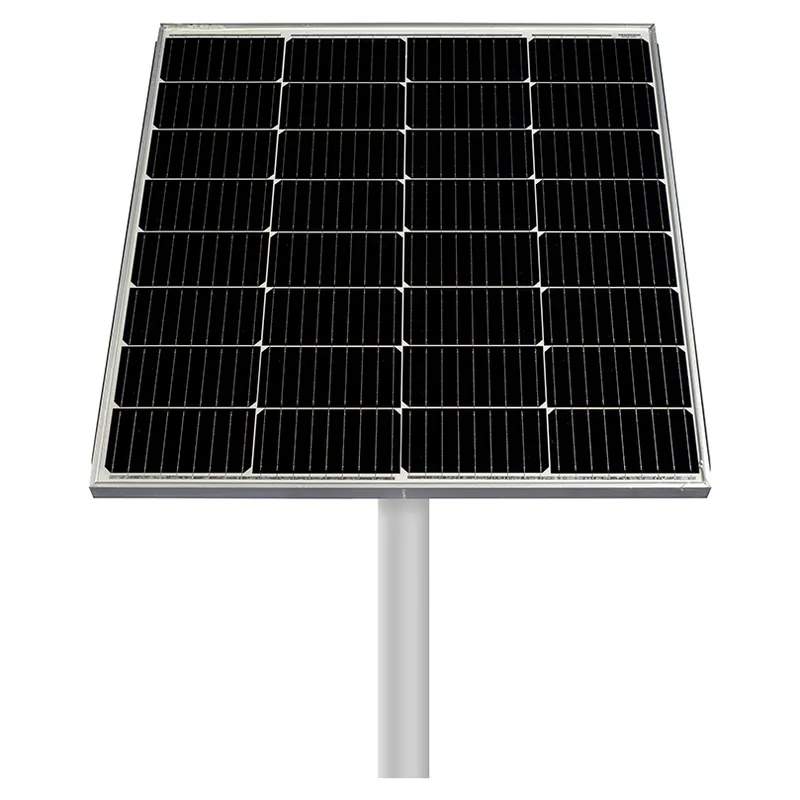
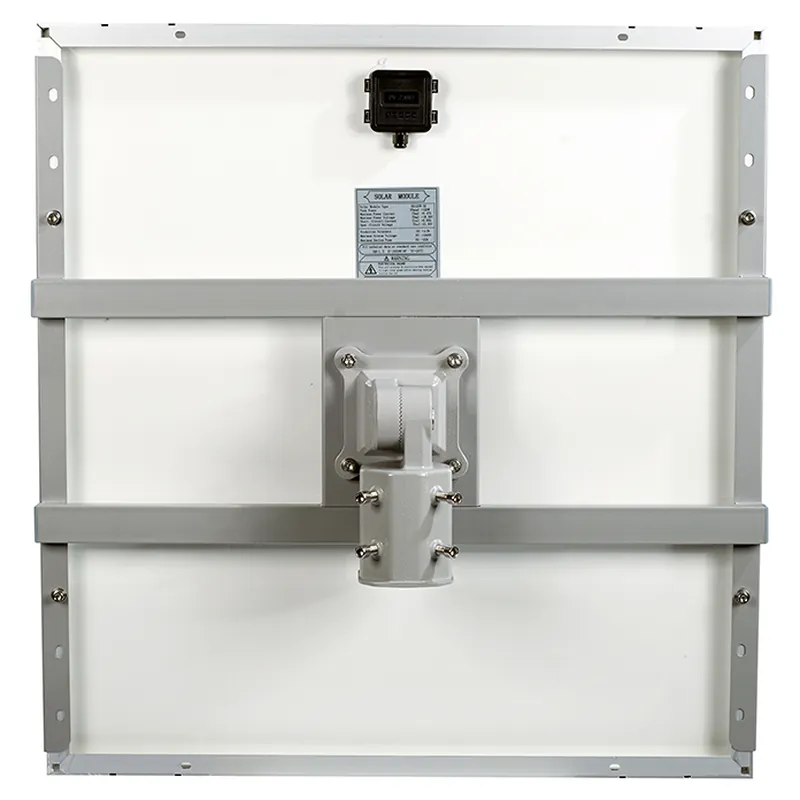
| Parameter | LUX-SPT60W | LUX-SPT80W | LUX-SPT100W | LUX-SPT120W |
|---|---|---|---|---|
| Rated power | 60 W | 80 W | 100 W | 120 W |
| Luminous flux | 11,400 lm | 15,200 lm | 19,000 lm | 22,800 lm |
| Luminous efficacy | 190 lm/W | |||
| Solar panel | 18 V / 120 W mono | 18 V / 160 W mono | 36 V / 200 W mono | 36 V / 240 W mono |
| Panel size | 800 × 760 × 30 mm | 1,040 × 760 × 30 mm | 1,320 × 760 × 30 mm | 1,540 × 760 × 30 mm |
| Panel conversion efficiency | 23.8% | |||
| Battery | LiFePO4 12.8 V, 45 Ah, 576 Wh | LiFePO4 12.8 V, 60 Ah, 768 Wh | LiFePO4 12.8 V, 75 Ah, 968 Wh | LiFePO4 25.6 V, 45 Ah, 1,152 Wh |
| Battery cycles | 3,000+ cycles | |||
| LED | 4-core SMD 3030, 192 pcs | 4-core SMD 3030, 256 pcs | 4-core SMD 3030, 320 pcs | 4-core SMD 3030, 384 pcs |
| Controller | MPPT | |||
| Charging time | 4–6 hours in full sun | |||
| Lighting profile | 100% for the first 4 hours, 50% for the next 2 hours, 30% for the last 6 hours | |||
| Rainy-day backup | 3 days standard, 5 days when the pack is sized for it | |||
| Beam angle | T2 / T3 / T4 / T5, lens transmittance >95% | |||
| Lamp size | 810 × 320 × 95 mm | |||
| Protection | IP66 | |||
| Pole sleeve | Adjustable, 60/76 mm and 62/82 mm | |||
| Mounting height | 6–8 m | 8–10 m | 10–12 m | 12–15 m |
| Control (optional) | IoT control and cloud platform management | |||
| Warranty | 3 years | |||
Figures are for the standard configuration. Panel size and battery capacity are matched per model — a larger panel on a smaller head does not shorten the payback, it only adds wind load to the bracket.
Most solar street lights are sealed at the factory. When the pack reaches the end of its life, the whole fixture comes down and goes back to a workshop. Here the pack sits inside the head behind a screwed cover, on a plug-in lead, next to the MPPT controller. Take the cover off, unplug the pack, plug in the new one, and the light is back on the same afternoon.
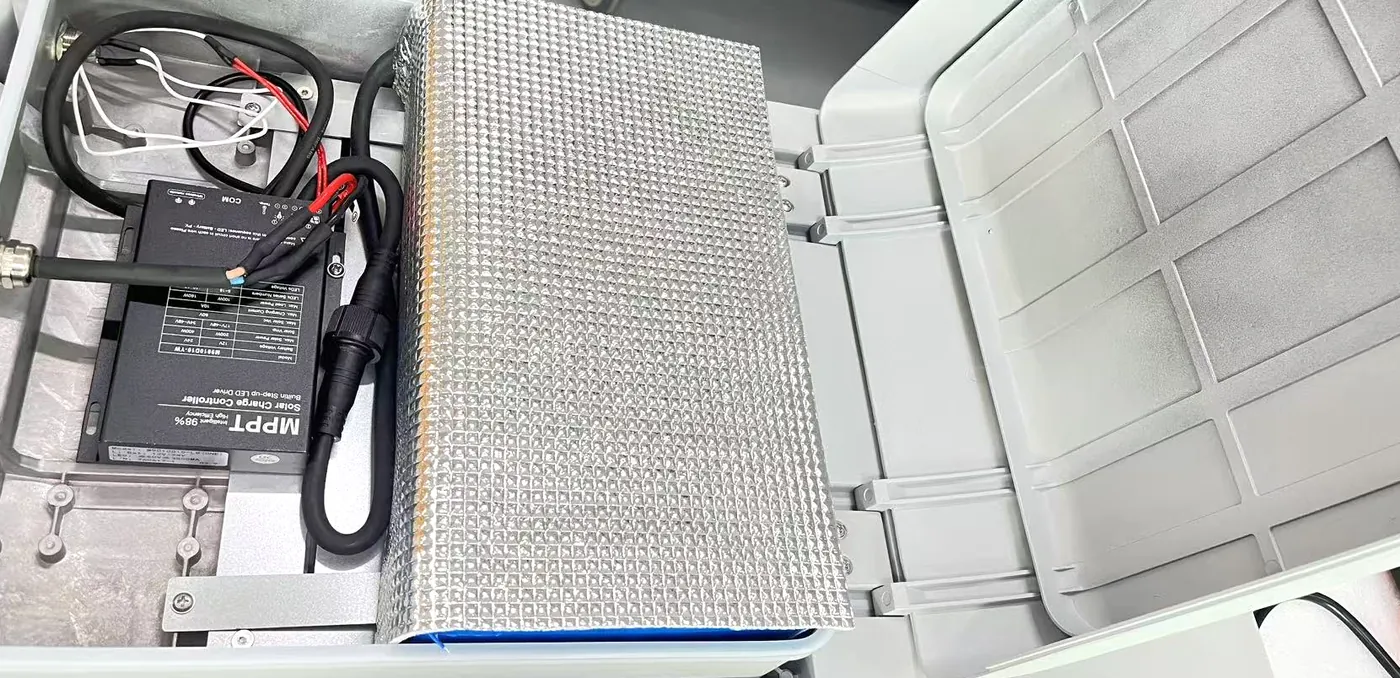
Photographs of a production head on the assembly line, cover off.
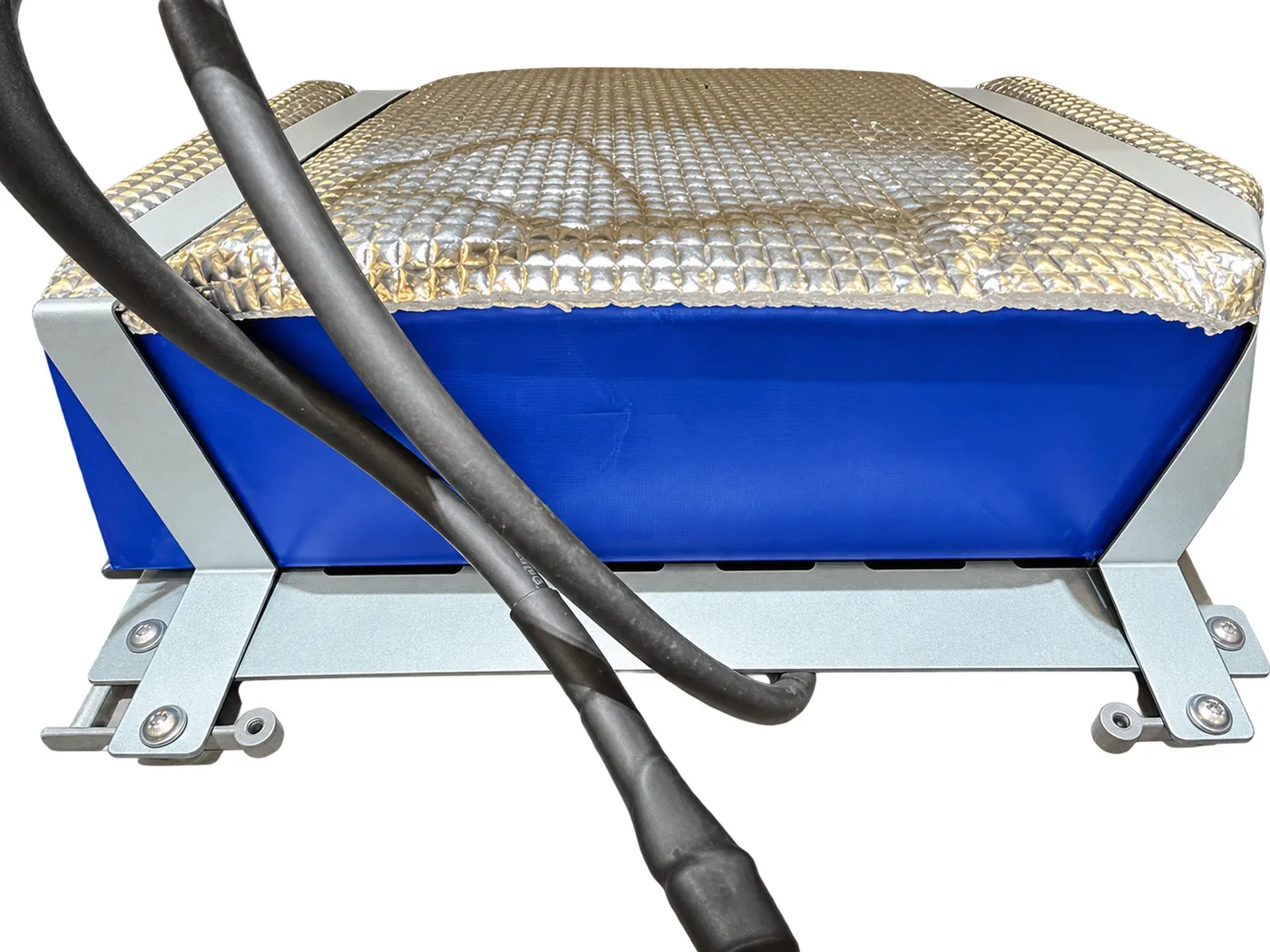
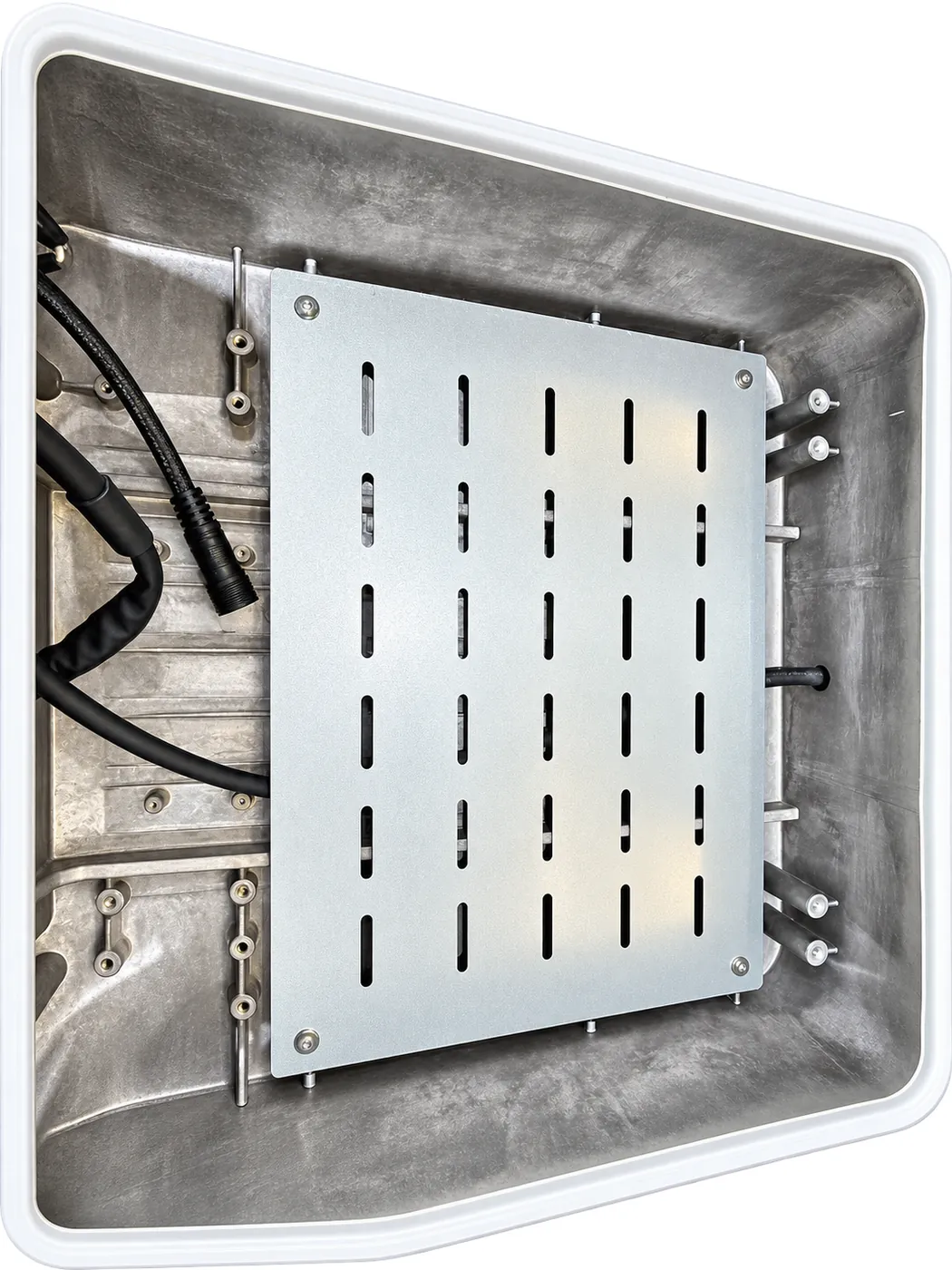
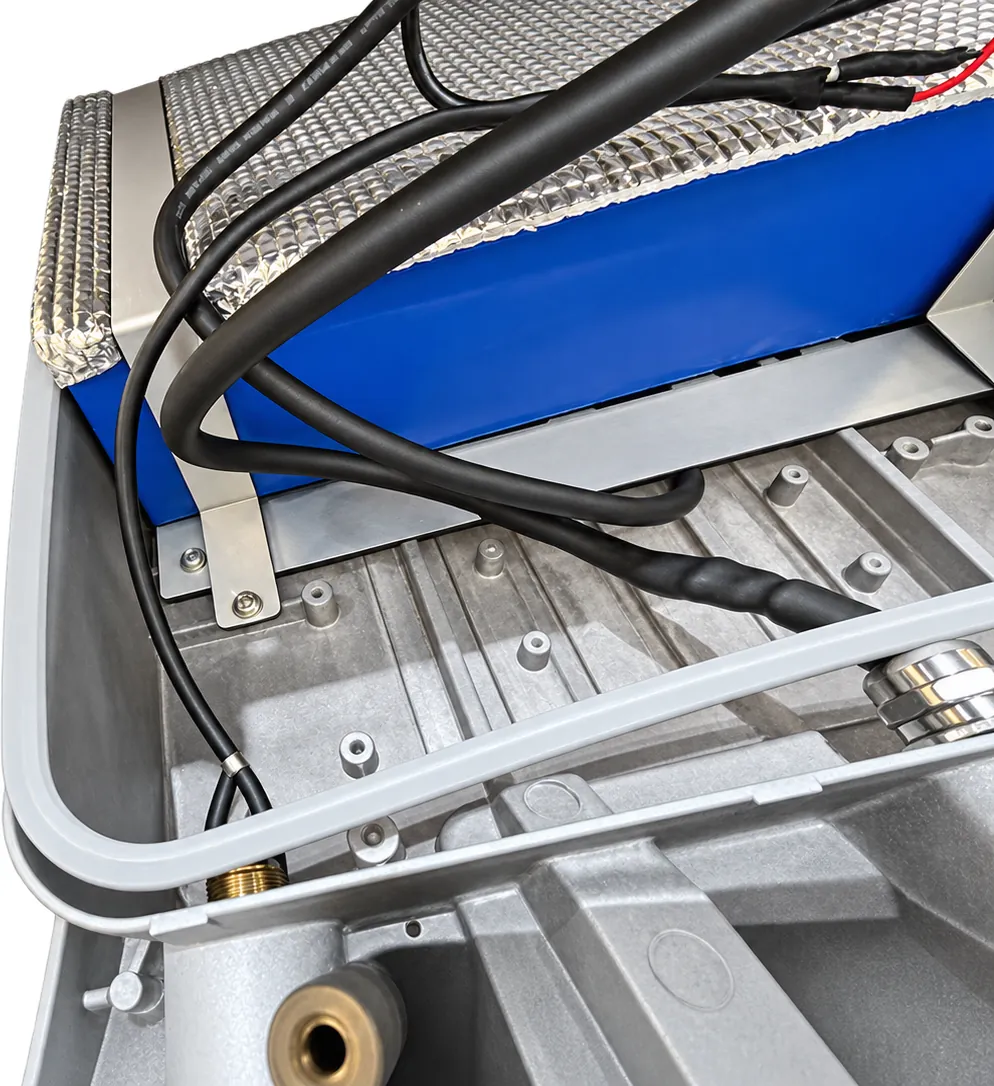
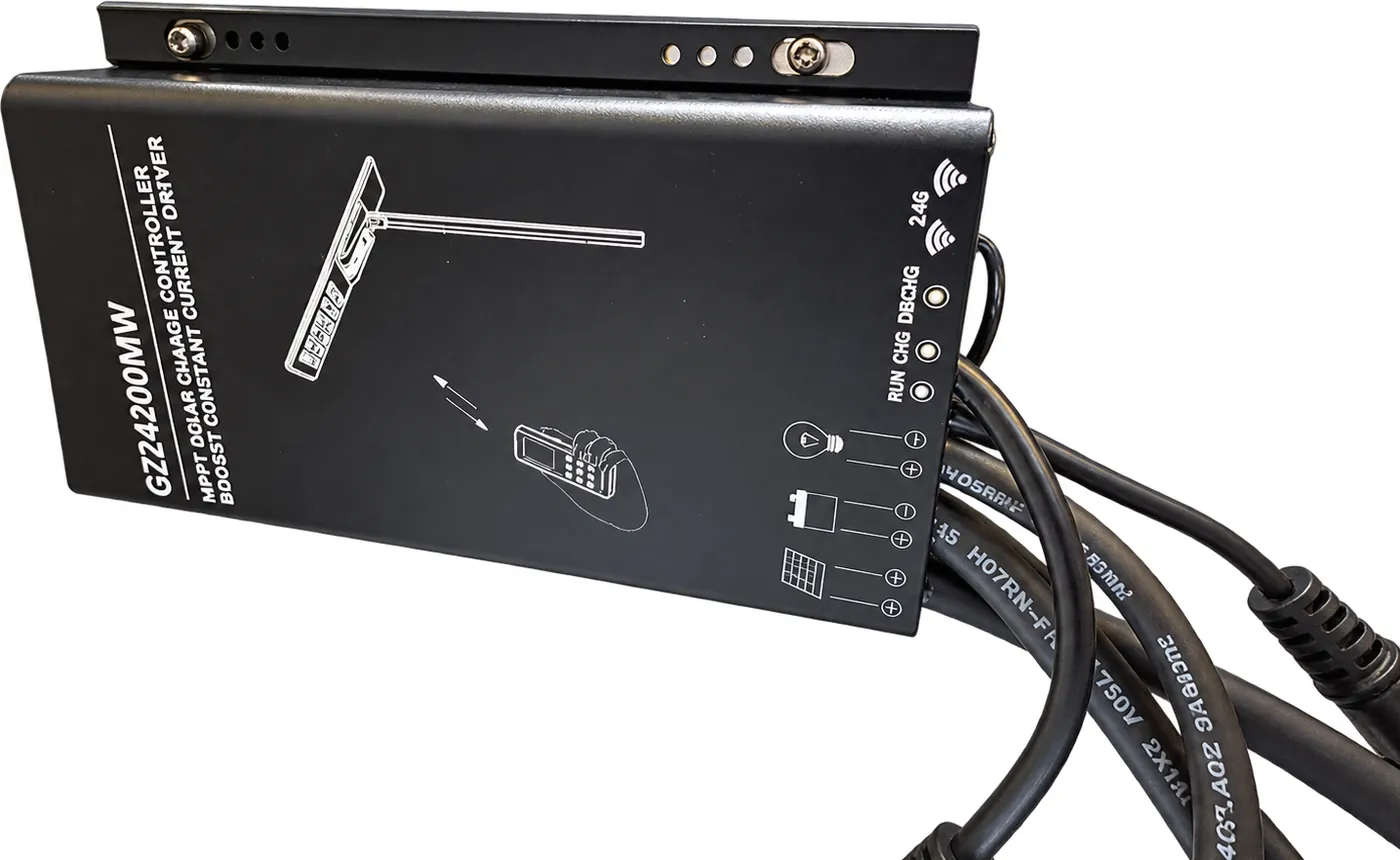
Separate panel / Replaceable battery / MPPT charging / 190 lm/W
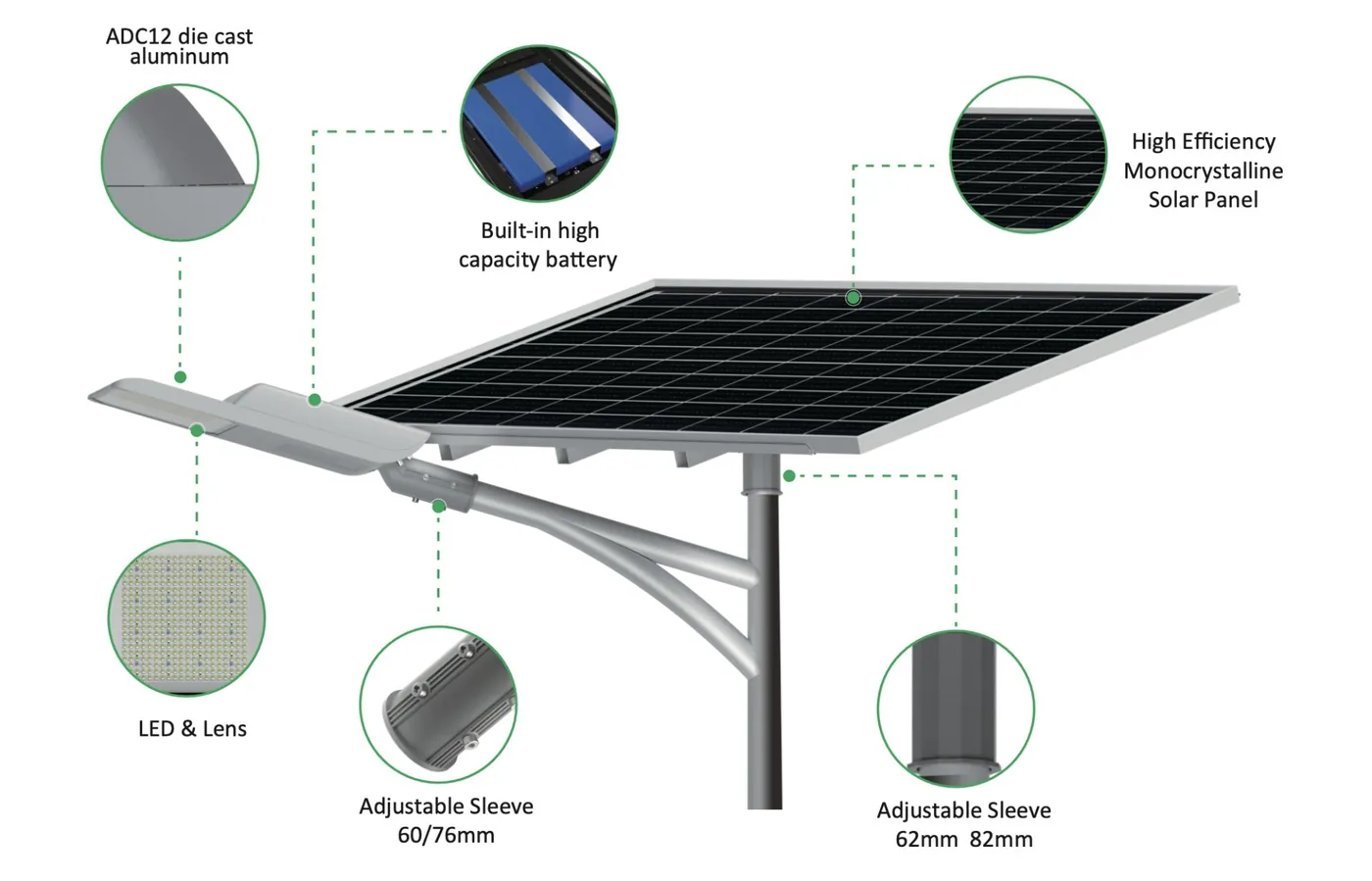
Five parts, in the order they matter: the ADC12 die-cast body, the pack inside the head, the monocrystalline panel, the LED and lens, and the two pole sleeves. Everything in between is the bracket that lets the panel and the head point in different directions.
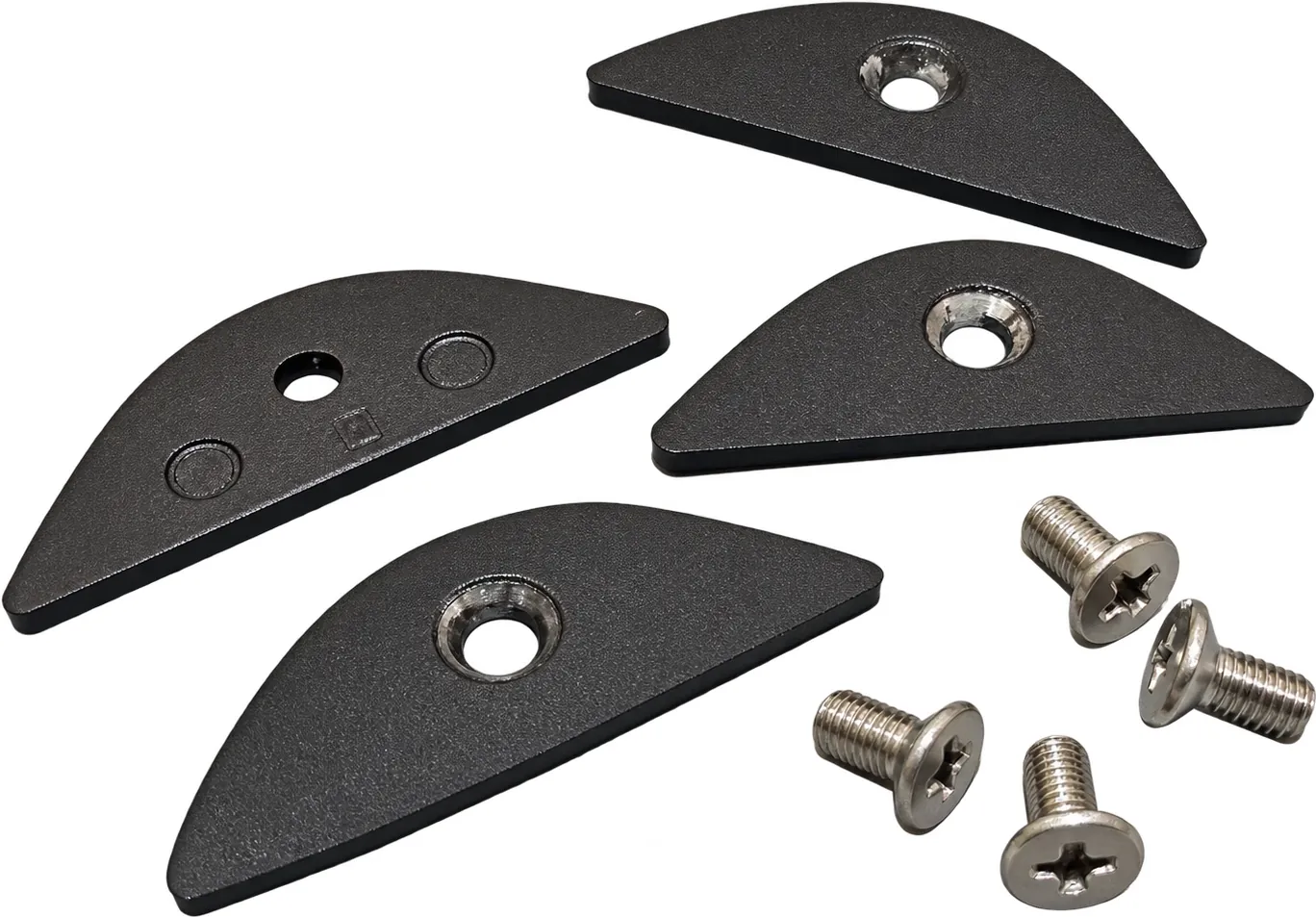
The parts that come in the carton alongside the head and the panel.
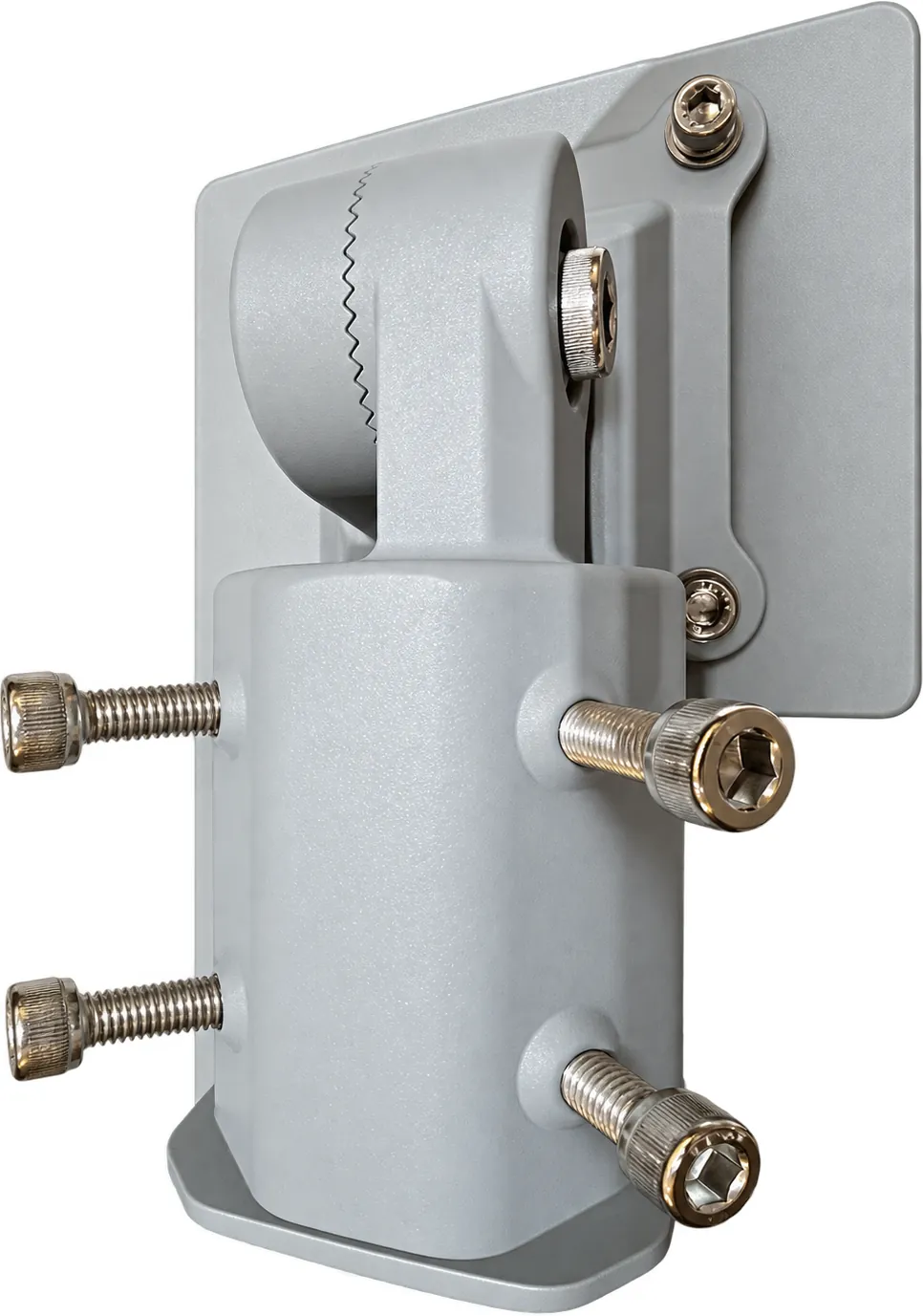
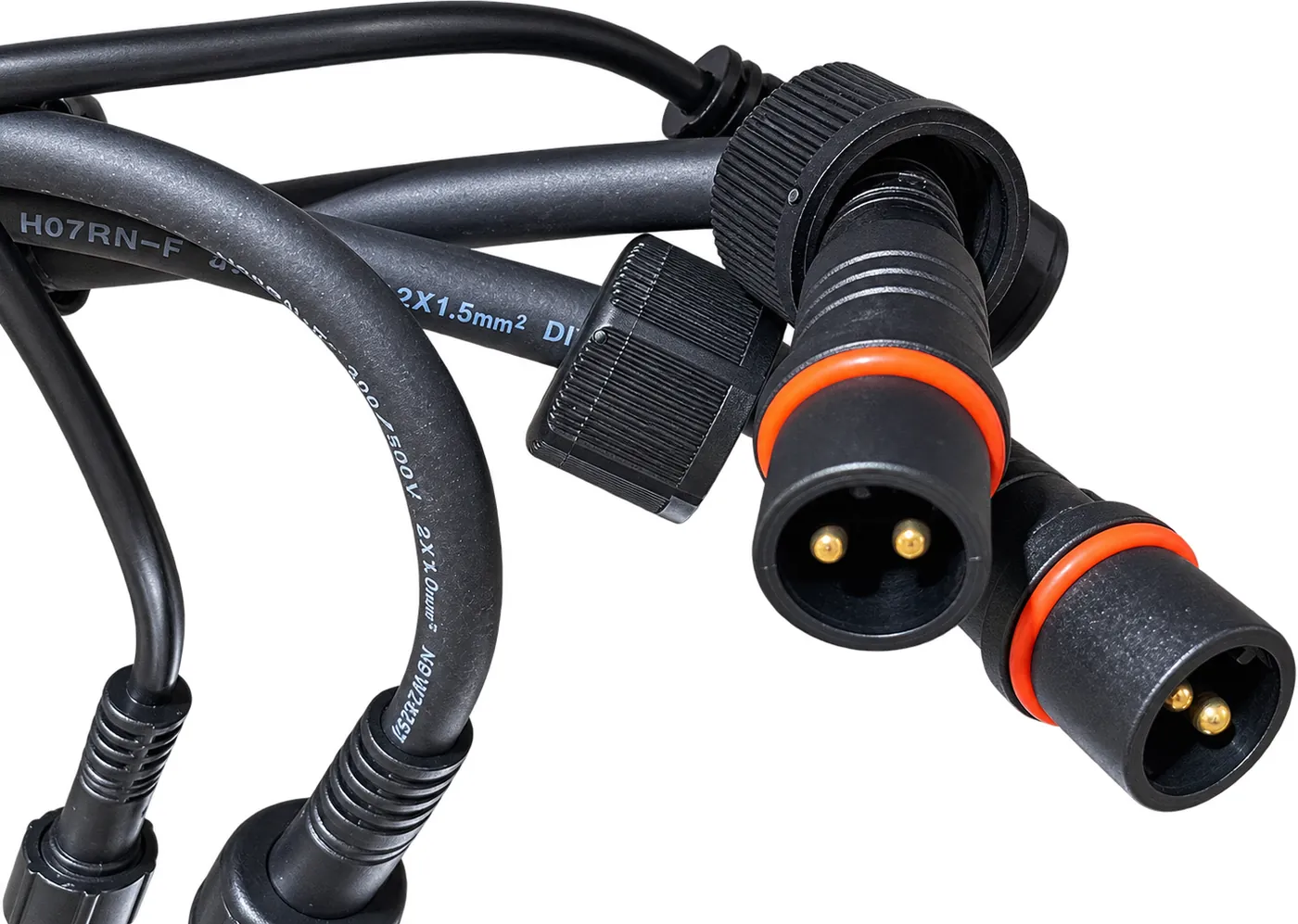
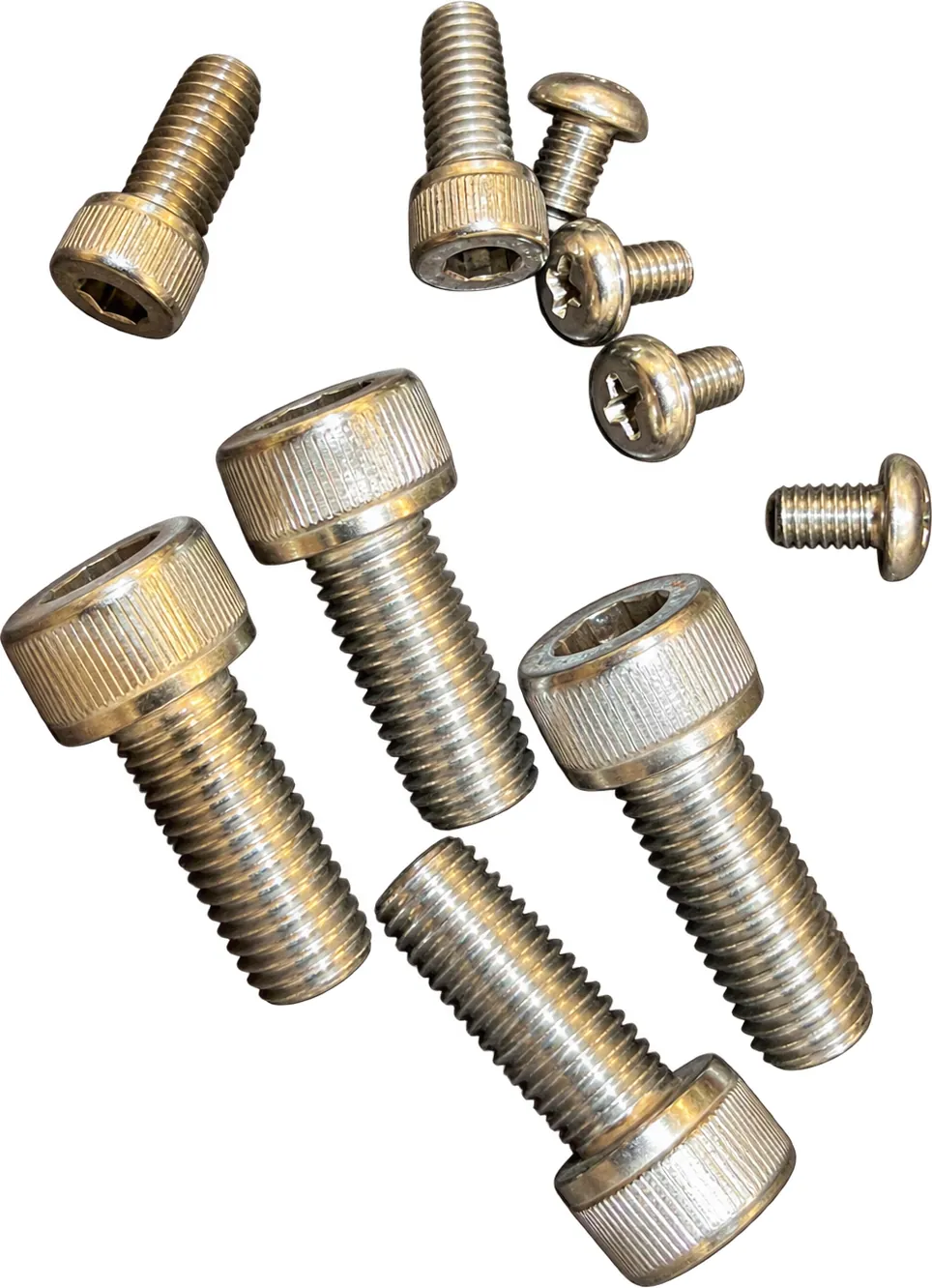
Where the pole stands in shade or the road runs at an angle to the sun, a split fixture earns its keep: rural roads and countryside lanes, industrial park roads, sidewalks and walkways, highways and interchanges, car parks, and urban streets where the pole line does not follow the sun. Also used on sites where the light has to be serviced without a crane.
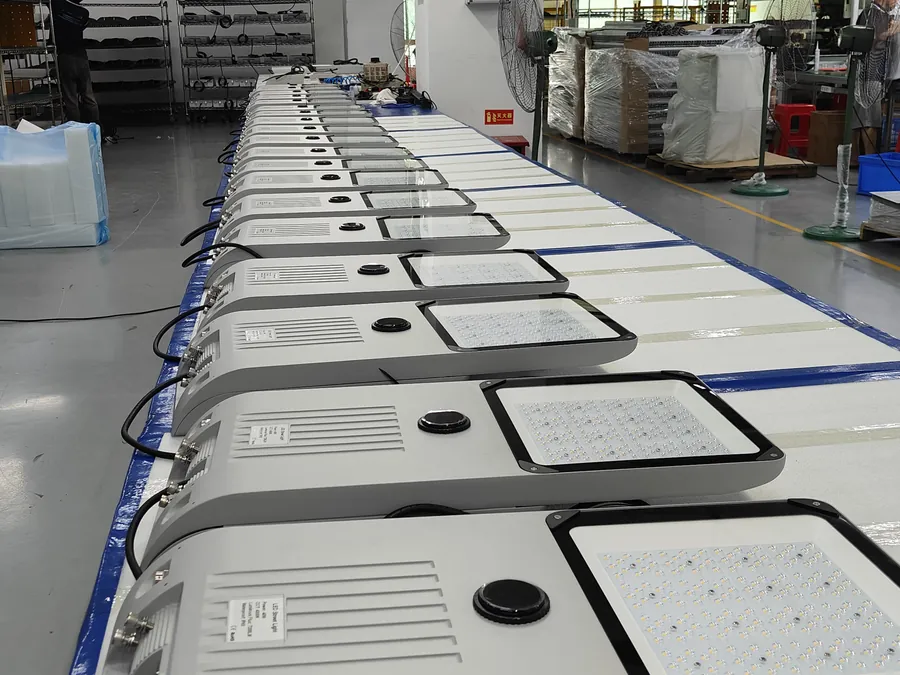
The housings are cast and the fixtures assembled in our own plant in Shenzhen, on the same line as the rest of the solar range. The photograph is a batch of split heads between assembly and packing.
Before packing, every luminaire goes through surge, ESD, drop and ageing checks, and the panels are EL-imaged for micro-cracks. How we test.
When should I choose a split solar street light instead of an all-in-one? Choose split when the pole stands where the panel cannot see the sun properly: under trees, on the shaded side of a street, or on a road that runs at an angle to the midday sun. An all-in-one fixture locks the panel and the head to the same angle, so one of the two is always a compromise. Split costs you a second bracket and a longer cable run, and it buys you the freedom to aim each part at what it is actually there for. On an open road with a clear southern sky, the all-in-one is simpler and cheaper to install.
Can the battery be replaced on site? Yes. The pack sits in its own compartment under the housing, sealed to the same IP66 as the rest of the lamp body. Undo the cover, slide the pack out, slide the new one in, and the light is running again the same day, without taking the fixture off the pole and without returning it to a workshop. That matters at year six, which is when a LiFePO4 pack in daily service starts to lose usable capacity.
How many consecutive rainy days can it support? Typically 3–5 consecutive days, and the exact number is fixed when the system is sized, not on the night: every series is specified at 3–5 days of autonomy at 12 hours a night. For a site with week-long overcast seasons, or a road where a dark night is not acceptable, we take one of two routes — a larger battery and panel with an MPPT controller so the pack recovers faster, or a hybrid pole that falls back on a small grid connection. Tell us the worst weather stretch on your site and we size to that, not to the annual average.
What is your typical lead time? Standard lead time is typically 7–15 days depending on the product and order quantity. We can often expedite orders to meet tight project deadlines.
Can you customize the products to my requirements? Yes. We can adjust wattage, color temperature, beam angle, housing size and other features to match your exact project requirements and local standards.
Do you provide a DIALux simulation before ordering? Yes, and it's free. Send us your road width, pole spacing, mounting height and target lux level, and our engineers build a photometric-verified DIALux model so you can see coverage and uniformity before you order.