
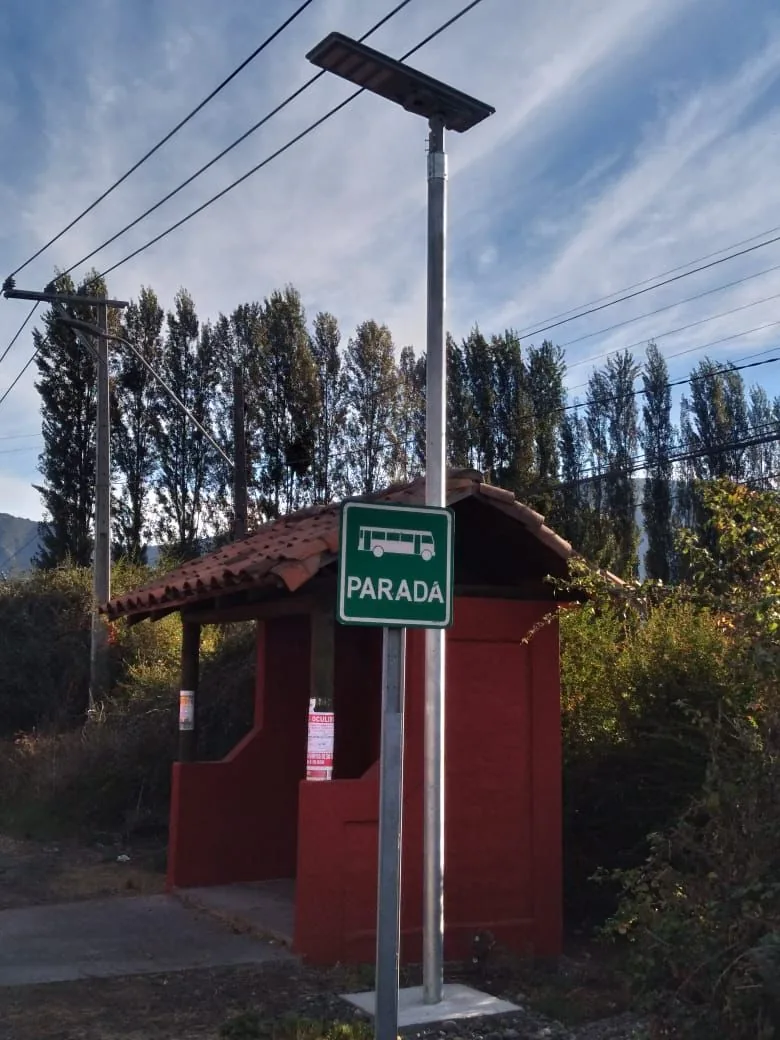
The most common mistake buyers make is comparing what a single luminaire costs.
A grid LED street light looks cheap on the equipment line. Then the project starts running, and the electricity, the cable, the trenching, the transformer and the maintenance show up one invoice at a time. A solar street light looks expensive — but it packs most of those hidden costs into the initial installation.
This article uses total cost of ownership (TCO) to work out which option is really cheaper over the same five years.
Projects differ a lot, so the basis of the estimate is written out in full (single pole, municipal collector road):
| Parameter | Value |
|---|---|
| Lamp power | 60 W LED (equivalent to a 150 W high-pressure sodium lamp) |
| Hours per night | 10, including intelligent dimming |
| Period | 5 years |
| Electricity price | $0.12–0.15/kWh (mid-range commercial tariff) |
| Grid LED | Trenching, cabling and grid connection required |
| Solar | Off-grid all-in-one: panel, battery and controller included |
| Battery strategy | LiFePO4, with one service visit budgeted in year five |
The figures below are typical industry ranges — your local tariff, sunshine hours and civil works cost will move them.
Start from the case that actually decides most purchasing decisions — a new road, an off-grid village, a mine or an island, where the cable does not yet exist:
| Cost item | Grid LED | Solar |
|---|---|---|
| Fixture and pole equipment | 400 | 900 |
| Foundation and installation | Included with the works | 70 |
| Earthworks / cable / connection (20–40 m per pole) | 800–1,500 | 0 |
| Five-year electricity (219 kWh/yr × $0.12) | 131 | 0 |
| Five-year maintenance (lamp, driver, cable checks) | 125 | 75 (cleaning, controller and battery inspection) |
| Light source / battery reserve | Lamp and driver ≈40 | Year-five battery service: 150 |
| Five-year total per pole | 1,496–2,196 | 1,195 |
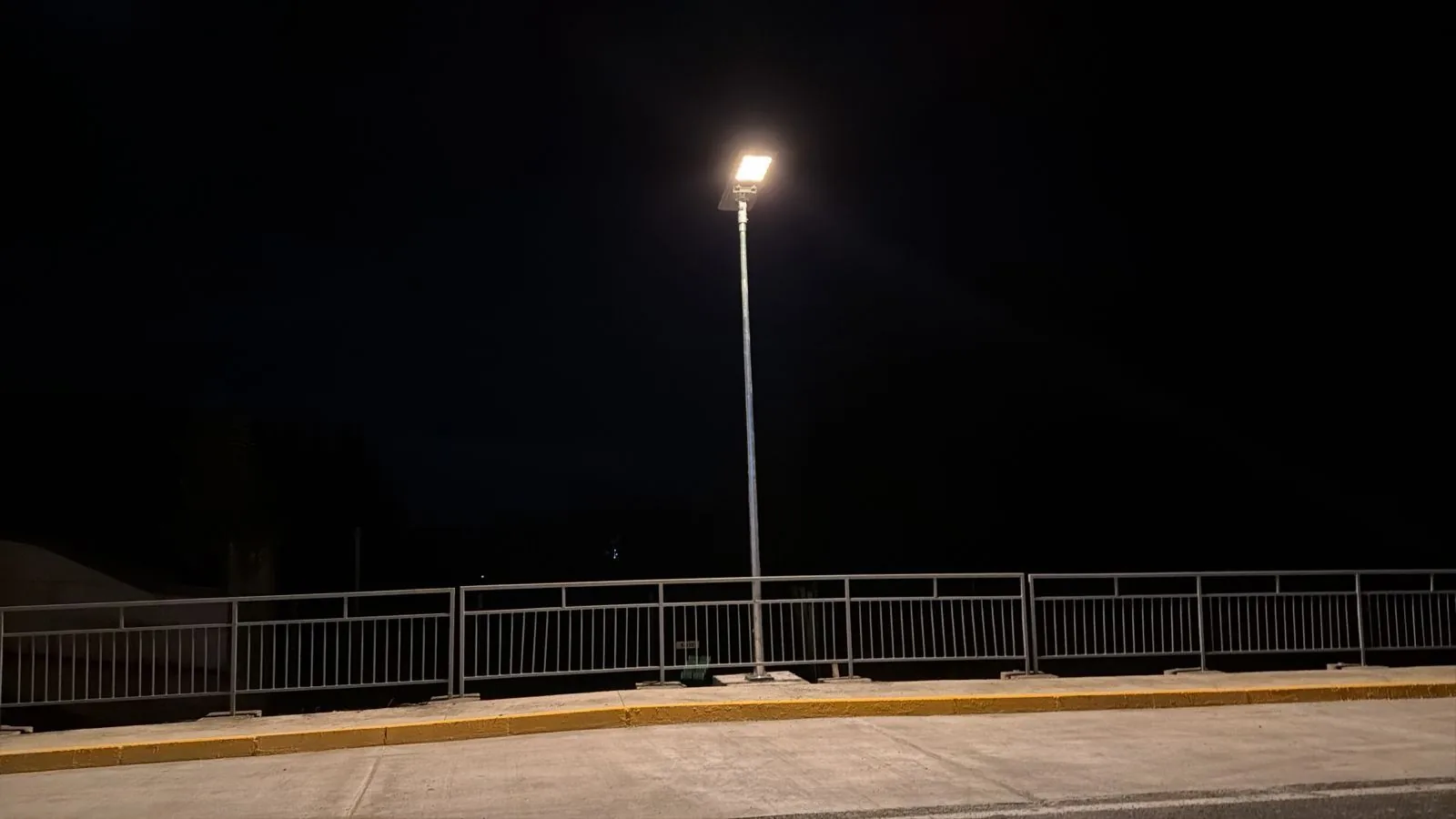
Conclusion A — new build, off-grid, high cabling cost: the solar pole is already $270–970 cheaper than the grid pole before the first night falls. The avoided trenching more than covers the premium hardware, so there is no payback period to wait for — the saving is there on day one, and over five years it reaches 20%–45%.
The table above is the common case. There is one situation where it flips back — when the power line already runs to the base of the pole and the trenching is nearly paid for:
In these cases the grid option drops its biggest line item to near zero:
| Grid already at the pole, single pole | Grid LED | Solar |
|---|---|---|
| Fixture and pole equipment | 400 | 900 |
| Foundation and installation | Included with the works | 70 |
| Trenching / cable / connection | 300–500 (cable already nearby) | 0 |
| Five-year electricity | 131 | 0 |
| Five-year maintenance | 125 | 75 |
| Light source / battery reserve | ≈40 | 150 |
| Five-year total per pole | 996–1,196 | 1,195 |
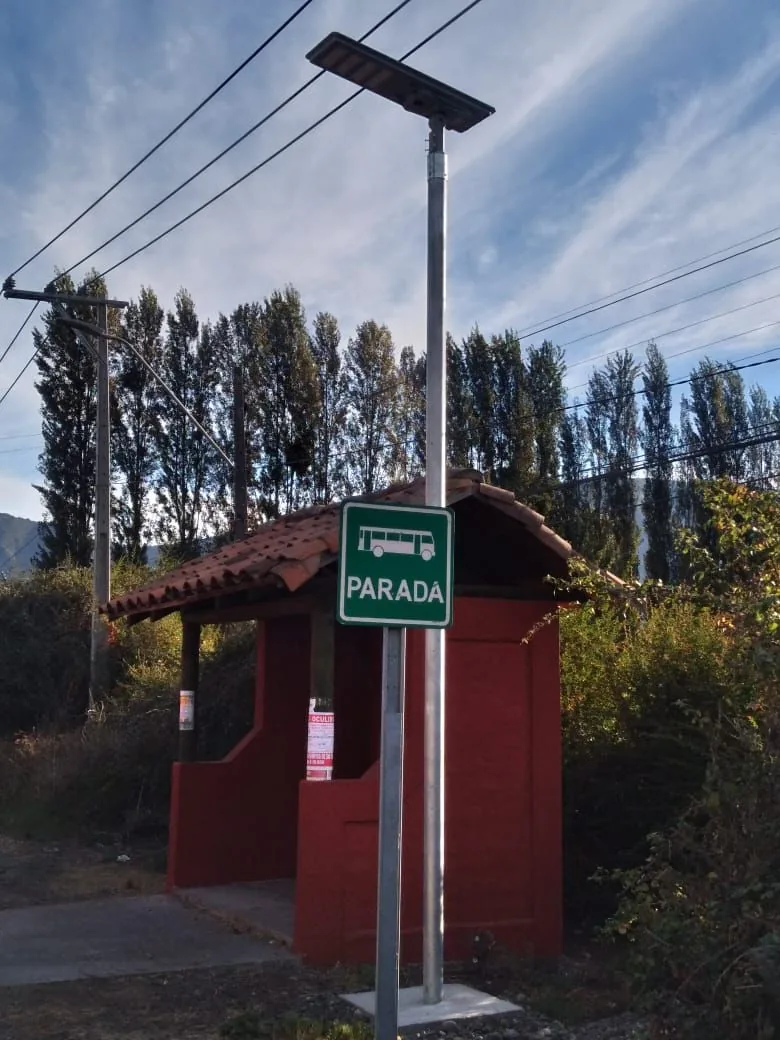
Conclusion B — grid already at the pole, low cabling cost: this is close to a tie. Grid LED keeps a lead of at most about $200 per pole, and only because the civil works are already paid for. At $0.12/kWh a 60 W lamp spends just $26 a year on power, so the solar premium is never recovered from the electricity bill — if the cable is already in the ground, grid LED wins on cash, and solar has to win on other grounds: no bill, no blackout.
On the new-road scenario, at 100 poles:
If the local commercial tariff is higher (say $0.20/kWh or more), or the grid has to be extended several kilometres, the gap widens further.
Fill in your project parameters and compare instantly — the defaults match the tables above and are editable.
| Item | Solar | Grid LED | Difference |
|---|
An estimation model: it excludes discount rates, taxes, currency swings and extreme-weather reserves. For tenders, confirm with a site survey.
It is not the lamp that is expensive. Three things are bought once and paid off for years:
1. The solar panel: depreciated over a 20–30 year life, so the first five years of energy are effectively prepaid 2. The LiFePO4 battery: 8–10 years of cycling on good cells, so one service visit inside five years 3. The civil works you never do: no road cut, no damaged landscaping, no outage for the connection, no monthly bill
The hidden logic of the grid option is the exact opposite: cheap equipment, then a small electricity tax, every single day.
Honestly: not every project should go solar.
1. Is the battery LiFePO4 or ordinary lithium — and how many usable watt-hours, not just amp-hours? 2. How many consecutive cloudy days can it run without charging? (Three days minimum; four for key roads.) 3. Is the controller MPPT or PWM? (MPPT charges 20% or more efficiently.) 4. Can the panel, battery and controller be replaced separately, without scrapping the whole lamp? 5. Is the pole hot-dip galvanized or cold-plated? Coastal sites need IP66 and anti-corrosion. 6. Is the quote a lamp-head price or a landed pole price — pole, foundation, freight and installation included?
The most common traps in cheap solar lights: inflated battery capacity, fewer autonomy days than promised, and output that fades in the second year.
A street light is not a lamp. It is a five-to-ten-year energy bill. Price the bill, not the sticker.
Do solar street lights really go five years without a battery replacement? A quality LiFePO4 system lasts 8–10 years within its designed depth of discharge; ordinary lithium lasts about 3–5. What decides it: the cell brand, the DOD and the thermal management.
What happens after a full week of rain? Proper systems are designed around days of autonomy, typically 2–4. Key roads should carry an MPPT controller with battery reserve, or a hybrid pole with a grid backup.
Is maintenance a headache? Less than for grid lights: no buried cable faults, no meter to read. Wipe the panel and check the state of charge twice a year; inside five years the lamp should not need to be opened.
How do I run the numbers for my own 100-pole project? Use this formula: solar five-year cost = system price per pole + foundation and installation + one battery service; grid five-year cost = fixture + trenching and cable + five years of electricity + maintenance. Fill in your local tariff and trenching distance and the answer takes ten minutes.
Want a dedicated five-year TCO sheet for your country, pole count and lighting hours? Send us the project parameters and we will prepare a comparison table you can put straight into a tender — via the contact page or the solar street light range.
Our 25-engineer team provides free project consultation and fast, accurate quotations.
Get a Quote